Home improvement advice often focuses on dramatic before-and-after photos. You see luxury kitchens, hotel-style bathrooms, and garden makeovers that look impressive – but also cost enough to make most homeowners nervous.
Practical value is different. It comes from changes that make a property easier, safer, cheaper, and more comfortable to live in. That might mean fixing a persistent leak, improving insulation, creating useful storage, or replacing a front door that no longer closes properly.
The best home improvements that add practical value to your property usually solve a real problem. They reduce daily frustration, protect the building from damage, lower running costs, or make rooms work better for the people using them.
Some upgrades may also improve resale appeal, but no project guarantees a profit. Results depend on the condition of the home, local property prices, workmanship, and buyer preferences.
The smartest approach is to improve how the property functions first, then consider how the change may affect its future marketability.
1. Fix Maintenance Problems Before Cosmetic Ones
New paint will not add much practical value if water is entering through the roof or a leaking pipe is damaging the wall behind it.
Begin with the basic condition of the property. Check the roof, gutters, drainage, plumbing, electrical system, windows, exterior walls, and heating or cooling equipment. Small problems often become more expensive when they are ignored.
Moisture deserves particular attention. The CDC explains that mould commonly develops around leaks in roofs, windows, and pipes. It recommends fixing the moisture source rather than simply cleaning or painting over the visible growth.
A dry, structurally sound home is more comfortable to live in and easier to maintain. Buyers may also feel more confident about a property when important systems appear well cared for.
Before ordering decorative tiles or new furniture, create a list of essential repairs and complete them in order of urgency.
2. Improve Energy Efficiency and Everyday Comfort
Energy-efficient upgrades can create value that you notice every day. A home that maintains a comfortable temperature with less energy may be cheaper to run and more pleasant during hot or cold weather.
Start with a home energy assessment. The U.S. Department of Energy describes a professional assessment as a personalised roadmap for identifying where a property loses energy and which improvements should be prioritised.
Common improvements include sealing gaps around doors and windows, adding insulation, servicing heating and cooling equipment, and replacing inefficient lighting.
ENERGY STAR says that air sealing and insulation can improve comfort and provide savings of up to 10% on annual energy bills, although actual results vary by property and climate.
Do not automatically replace every window because it looks old. Draught-proofing, repairing damaged seals, or improving insulation may offer better value when the frames are still in reasonable condition.
Complete the changes that address your home’s specific weaknesses rather than following a generic renovation checklist.
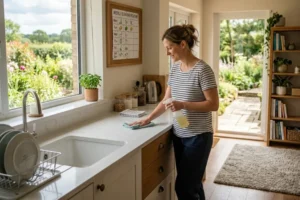
3. Make the Kitchen Easier to Use
A practical kitchen improvement does not have to involve removing every cabinet and starting again.
Focus on the frustrations you experience regularly. You may need better task lighting, additional electrical outlets, deeper drawers, stronger shelving, or a more useful place for bins and recycling.
Replacing worn worktops, damaged cabinet fronts, old taps, and unreliable appliances can make the space feel refreshed without the cost of a full redesign.
Painting cabinets or changing handles may also create a noticeable visual improvement when the existing units are structurally sound.
The National Association of REALTORS’ 2025 Remodeling Impact Report estimated 60% cost recovery for both minor and complete kitchen renovations in the United States.
Those figures are market estimates rather than guarantees, but they show why controlling the budget matters.
A highly personalised luxury kitchen may be enjoyable, but it can be difficult to recover the full cost. Prioritise durable surfaces, sensible storage, good lighting, and a layout that makes preparing food easier.
4. Upgrade the Bathroom for Safety and Efficiency
Bathrooms do not need to feel luxurious to be valuable. They need to be clean, easy to maintain, properly ventilated, and safe to use.
Repair leaking taps, damaged grout, loose tiles, poor drainage, and unreliable extraction fans. Persistent moisture can damage finishes and encourage mould, so good ventilation is more important than adding decorative accessories.
Water-efficient taps, showerheads, and toilets can reduce consumption without sacrificing normal performance.
EPA WaterSense products are independently certified for efficiency and performance, and the programme says efficient fixtures and appliances can reduce household water and energy costs.
Practical safety improvements can include better lighting, a non-slip floor, a properly secured grab rail, or a shower entrance that is easier to step into. These features may help children, older adults, and anyone recovering from illness or injury.
Choose neutral, durable finishes if resale is a priority. You can still add personality through mirrors, towels, paint, and accessories that are easy to change.
5. Add Storage That Solves Real Problems
Storage creates practical value when it gives everyday belongings a clear place to go.
Look for underused spaces before adding large cupboards. Alcoves, areas beneath stairs, blank walls, awkward corners, and spaces above doors may support shelving, drawers, hooks, or fitted cabinets.
A well-designed entrance can include shoe storage, coat hooks, a bench, and a place for keys. A bedroom may benefit from internal wardrobe organisers rather than a completely new fitted unit.
Storage can also improve the usefulness of kitchens, bathrooms, laundry areas, and home offices. The objective is not to hide unlimited possessions. It is to reduce clutter and make frequently used items easier to reach.
NAR’s 2025 report estimated an 83% cost recovery for closet renovations in the surveyed U.S. market, although local results will differ.
Design storage around what you genuinely own. A beautiful cabinet that is too shallow, too high, or difficult to open will not solve the problem.
6. Improve the Entrance and Exterior Appearance
The front of a property affects both first impressions and daily convenience.
Begin with maintenance. Clean the entrance, repair broken paving, remove blocked gutters, trim overgrown plants, and make sure the house number can be seen easily. Exterior lighting can improve visibility when arriving home after dark.
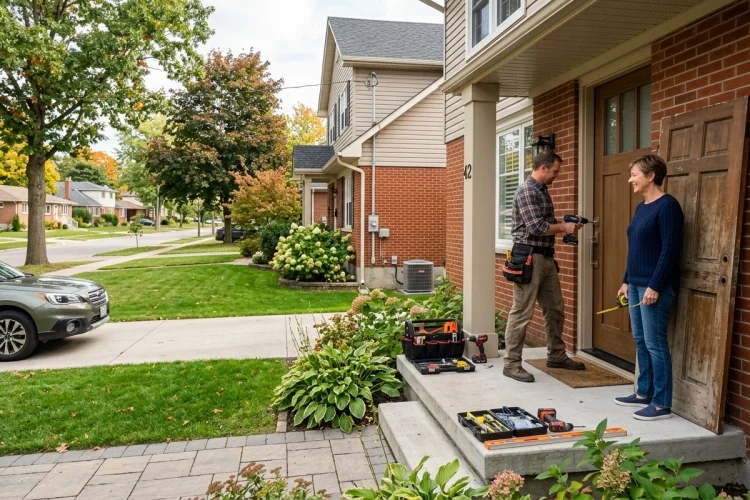
A front door should close securely, resist weather, and provide suitable insulation. If the existing door is damaged beyond sensible repair, replacement may improve comfort, security, and appearance.
NAR’s 2025 Remodeling Impact Report estimated full cost recovery for a new steel front door in its U.S. survey. That should not be treated as a universal promise, but it suggests that visible, functional exterior upgrades can compare favourably with expensive interior projects.
Fresh exterior paint, clear pathways, working gates, and tidy landscaping can also make the property feel cared for without requiring a complete garden redesign.
7. Create Flexible and Accessible Living Spaces
Homes often need to support more activities than they did in the past. A dining area may also function as a workspace, while a spare room may need to accommodate guests, exercise, or storage.
Flexible improvements can include improved lighting, built-in shelving, additional outlets, moveable room dividers, or furniture that serves more than one purpose.
The goal is to make the space adaptable without filling it with permanent features that only suit one activity.
Accessibility can add practical value too. Lever-style handles, clear walkways, handrails, brighter lighting, and easier-to-reach switches can help people with different ages and mobility levels.
These changes do not have to make the property look clinical. Many accessible features are simply examples of good, thoughtful design.
When converting a basement, attic, garage, or other area into living space, check local rules, structural requirements, fire safety, ventilation, insulation, and escape routes. A poorly planned conversion can create more problems than useful space.
8. Plan the Project Around Value, Not Excitement
Before beginning any improvement, define the problem, budget, and expected benefit.
Ask whether the project will improve comfort, safety, efficiency, maintenance, or usability. Then consider how long you expect to remain in the property. A highly personal upgrade may be worthwhile when you plan to enjoy it for many years, even if it does not fully recover its cost.
NAR warns that the right project depends on the individual home and neighbourhood. Its research also found that real estate professionals frequently recommended painting and necessary roof replacement when preparing a property for sale.
Get several detailed quotations for major work and compare the scope, materials, guarantees, and payment schedule – not only the total price. Check licences, insurance, references, permits, and local building requirements where applicable.
Include a contingency in the budget because older properties often reveal hidden problems once work begins. Spending carefully is part of adding value.
The most useful home improvements are not always the most dramatic. Repairs, moisture control, insulation, better lighting, efficient fixtures, sensible storage, and safer layouts can improve daily life while protecting the property’s condition.
Kitchen, bathroom, and exterior upgrades may support resale appeal, but the budget should remain realistic. Returns vary by location, workmanship, design choices, and the condition of competing homes.
Start by walking through your property and writing down the problems that affect you most often. Choose one improvement that increases comfort, safety, efficiency, or usability, then research it carefully before spending.
Practical value grows when a project solves a genuine problem – not simply when it creates an impressive photograph.