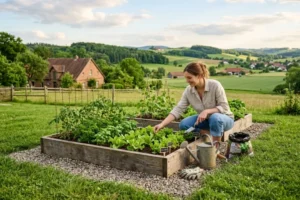
Starting a garden can feel intimidating when you have never kept a plant alive before.
Seed packets mention spacing and planting depth, garden centres display hundreds of unfamiliar plants, and experienced gardeners somehow seem to know exactly when everything should go into the ground.
Fortunately, gardening is not a talent you either have or do not have. It is a practical skill that becomes easier through observation, repetition, and a few inevitable mistakes.
Learning how to start a garden when you have never grown anything before begins with understanding the basics: light, soil, water, space, and suitable plants.
You do not need a huge garden, expensive equipment, or advanced knowledge. A few containers on a balcony or one small bed near your home can be enough.
The smartest beginner garden is not the largest one. It is a manageable space where you can notice what your plants need and enjoy the process without creating another overwhelming responsibility.
1. Decide What Kind of Garden You Want
Before buying seeds, think about what you actually want to grow.
You might want herbs for cooking, vegetables for fresh meals, colourful flowers, or a few low-maintenance plants that make an outdoor space more attractive. Choosing a clear purpose helps you avoid buying random plants that require completely different conditions.
Start with crops or flowers you genuinely like. The Royal Horticultural Society recommends beginners grow what they enjoy and limit experiments rather than filling every available space immediately.
Some crops also take much longer to mature or occupy valuable room for an entire season. Keep your first project small. Three pots, one raised bed, or a garden section measuring a few square metres is easier to water, weed, and observe than a large plot.
A smaller garden also gives you room to learn without spending heavily. You can always expand next season after discovering which plants grow well in your conditions.
2. Observe the Sun Before Choosing a Location
Sunlight is one of the most important factors in gardening. Before planting anything, watch your available space at different times of day.
Many vegetables, herbs, and flowering plants grow best with around six or more hours of direct sunlight. Some leafy greens and cool-season vegetables can still produce in four to six hours or light shade, so a less sunny space does not automatically prevent you from gardening.
Check whether nearby buildings, fences, or trees create shade. A location that looks sunny at 9 a.m. may be shaded for the rest of the afternoon.
Also consider access to water. A sunny corner at the far end of the property may seem perfect until you have to carry several heavy watering cans there every day.
For balconies and patios, notice wind exposure as well. Strong wind can dry containers quickly and damage tall or delicate plants. Placing pots near a sheltered wall may create more stable growing conditions.
3. Choose Between Containers, Raised Beds, and In-Ground Gardening
You do not need a traditional backyard to start growing plants. The best setup depends on your space, budget, mobility, and soil conditions.
Container Gardening
Containers are ideal for balconies, patios, doorsteps, and rented homes. Herbs, salad leaves, tomatoes, peppers, flowers, and even some small fruit plants can grow successfully in pots.
Use containers with drainage holes so extra water can escape. Waterlogged soil reduces the oxygen available to roots and can damage plants. Containers should also be filled with a suitable potting mix rather than dense soil taken directly from the garden.
Pots dry out faster than in-ground beds, especially during warm or windy weather. This means container plants need to be checked more frequently.
Raised Beds or In-Ground Beds
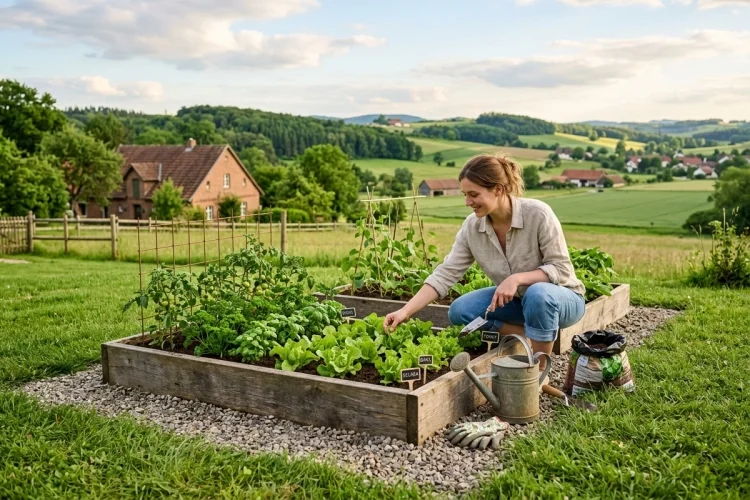
Raised beds provide control over the soil and may be easier to reach. However, they require materials and enough soil to fill them.
Planting directly in the ground can be affordable when the existing soil drains well and is suitable for gardening. Begin with one small bed instead of digging up the entire garden.
Whichever method you choose, make sure you can comfortably reach every plant without stepping repeatedly on the growing area.
4. Prepare the Soil Before Planting
Healthy plants need more than sunlight and water. Their roots also require a growing medium that provides support, air, moisture, and nutrients.
If you are planting in the ground, remove rubbish, large stones, and established weeds. Loosen compacted soil and add suitable organic matter, such as finished garden compost, when needed.
A soil test can give you useful information about pH and nutrient levels before you start adding fertiliser. Penn State Extension recommends soil testing as one of the first planning steps for a beginner vegetable garden.
Do not assume that adding large amounts of fertiliser will make plants grow faster. Too much can damage roots, encourage weak growth, or create unnecessary environmental problems.
For pots, buy a mix labelled for containers. Potting mixes are designed to hold moisture while still allowing excess water to drain. Ordinary garden soil can become dense and poorly aerated inside a pot.
5. Select Easy Plants for Your First Garden
Beginner-friendly plants should suit your light, climate, space, and the amount of time you can give them.
Herbs such as chives, mint, parsley, and basil can be satisfying because small harvests are useful in everyday cooking. Mint spreads aggressively in open soil, so growing it in a separate container is often more manageable.
Salad leaves and radishes grow relatively quickly, which makes them encouraging for new gardeners. Bush beans, courgettes, cherry tomatoes, and some chillies can also be productive, although their suitability depends on local weather and available space.
When shopping for plants, choose healthy specimens with firm growth and no obvious signs of neglect, pests, or badly waterlogged compost. The RHS recommends checking plant quality and selecting varieties suited to the conditions in your garden.
Read the plant label or seed packet before buying. It should provide guidance on sunlight, spacing, mature size, planting depth, and growing season.
Avoid purchasing ten varieties simply because the pictures look attractive. Start with three to five dependable choices and learn how each one behaves.
6. Understand the Difference Between Seeds and Young Plants
Seeds are usually cheaper and offer more variety, but they can require additional time and attention. Young plants cost more but allow you to skip the earliest and most delicate stage.
Some vegetables, including beans, peas, carrots, radishes, and many salad crops, can often be sown directly where they will grow. Other plants, such as tomatoes and peppers, are frequently started indoors or purchased as young plants in climates with shorter warm seasons.
Plant seeds at the depth and spacing shown on the packet. Seeds planted too deeply may struggle to reach the surface, while crowded seedlings compete for light, water, and nutrients.
When transplanting a young plant, handle the root ball carefully and place it at the recommended depth. Water it after planting to help the soil settle around the roots. RHS guidance also recommends following the spacing information provided for each plant.
Label what you plant. It is surprisingly easy to forget which row contains carrots and which contains weeds when everything first emerges.
7. Water According to the Soil, Not a Fixed Calendar
Overwatering is just as harmful as forgetting to water. Instead of automatically watering every day, check the soil first.
Press a finger a few centimetres into the soil. If it still feels moist, the plant may not need more water. If it feels dry at root level, water slowly and thoroughly.
Direct water toward the base of the plant rather than spraying the leaves whenever practical. This helps moisture reach the roots and may reduce the amount lost through evaporation.
For containers, continue until water begins draining from the holes at the bottom. Empty saucers when necessary so the pot does not remain standing in water.
Morning is often a convenient time to water because plants receive moisture before the warmer part of the day. However, the right frequency depends on weather, plant type, soil, container size, and growth stage—not a universal schedule.
A layer of mulch around established plants can help reduce evaporation, moderate soil temperature, and suppress some weeds. Keep it slightly away from stems to avoid trapping too much moisture directly against the plant.
8. Expect Pests, Weeds, and Imperfect Results
Every garden experiences problems. Leaves may develop holes, seedlings may disappear, and some plants may simply fail to thrive.
Check your garden regularly so you notice changes early. Look under leaves, inspect stems, and watch for wilting, discolouration, or damaged growth.
Do not immediately spray every insect you see. Many insects are harmless or beneficial, while some help pollinate plants or control pests. Identify the problem before choosing a treatment.
Remove weeds while they are small, when they are easier to pull and less likely to compete with your plants. Regular five-minute checks are usually more manageable than waiting until the bed becomes completely overgrown.
Keep simple notes about planting dates, weather, watering, and results. Next season, those notes will help you remember which locations, varieties, and methods worked best.
A failed plant is not proof that you are bad at gardening. It is information about the conditions, timing, or care that may need to change.
Starting a garden for the first time does not require expert knowledge or a large outdoor space. Begin by deciding what you want to grow, observing the sunlight, and choosing a manageable container or bed.
Prepare suitable soil, select a few beginner-friendly plants, and follow the instructions on seed packets and labels. Check the soil before watering, watch for pests and weeds, and accept that some experiments will not succeed.
Your first goal is not to create a perfect garden. It is to grow something, observe what happens, and learn from the process.
Choose one sunny location today, measure the available space, and decide on three plants you would genuinely enjoy growing. That small step is enough to begin.